


How to Choose and Set Up a Litter Box for an Anxious Cat
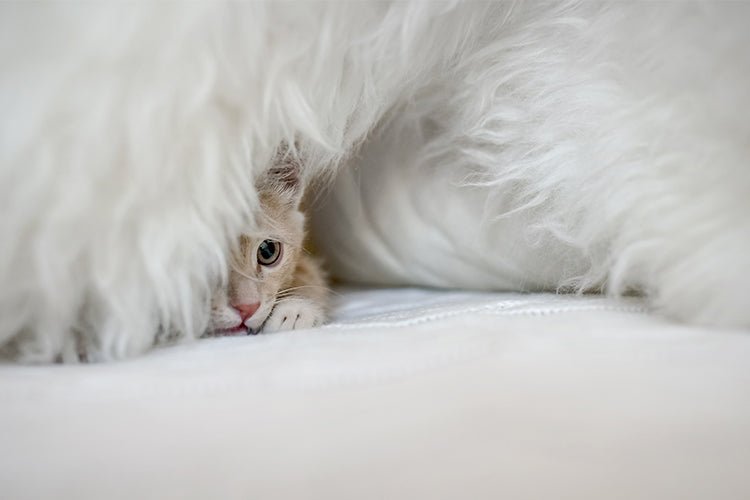
How to Create a Secure Litter Box Environment for Your Socially Anxiou – Meowant
A litter box for an anxious cat should offer enough room to turn, an easy entrance, and a quiet location where other pets cannot block access. A large, open box is a useful starting point when a cat seems uncomfortable in an enclosed one. Keep familiar litter and introduce changes gradually. If your cat suddenly stops using the box, contact your veterinarian: pain, urinary problems, and difficulty getting inside can look like fear or avoidance.
Check for Health Problems Before Assuming Anxiety
A cat may avoid the litter box because another pet waits nearby, but painful urination, constipation, or sore joints can also make using it difficult. Arrange a veterinary examination for new accidents or a noticeable change in bathroom habits, even if your cat otherwise seems well.
Repeated straining with little or no urine needs emergency veterinary care. A urinary blockage can become life-threatening, especially in male cats. Contact an emergency clinic immediately rather than waiting to see whether a different box helps. Blood in the urine or crying during urination also warrants prompt veterinary attention.
Choose a Box Your Cat Can Enter and Turn In Easily
Compare the usable litter area, not just the outside dimensions. Waste drawers, steps, and storage sections can make a unit look larger without giving your cat more standing space.
Choose a box about 1.5 times your cat’s length from nose to tail base to give it room to turn and dig. For example, a cat measuring 16 inches from nose to tail base would need roughly 24 inches of usable box length. Check the width too: your cat should be able to turn without pressing against the sides.
Choose an entrance your cat can step over comfortably, particularly if it is older or has mobility problems. A spacious interior helps only if your cat can get inside without a difficult climb.
When comparing covered and uncovered litter boxes, consider your cat’s response to the enclosure. An open option lets a nervous cat see approaching pets. A cat already using a spacious covered box comfortably may prefer to keep it; offer an alternative before replacing a setup that works.
Put the Box Somewhere Quiet With Unblocked Access
Choose a low-traffic area near the rooms your cat normally uses, away from food, water, and noisy appliances. Quiet placement should still allow your cat to notice an approaching person or pet and move away easily. A deep recess behind furniture can make that harder.
Check the route to the box as well as the box itself. A bathroom may work if the door stays open and another pet cannot guard the entrance. A quiet room becomes less useful when your cat must pass a dog bed or a cat that regularly chases it to get there.
In a multi-cat home, start with one box per cat plus one extra, distributed across separate locations. Two cats would usually need three boxes. Put at least one on each floor your cats use. Three boxes behind the same doorway leave every option vulnerable to the same blocked entrance.
Watch for staring, waiting, and chasing around the litter area, even without fighting. If one cat avoids that route, provide another box in an area it already uses comfortably. Ongoing conflict may need a veterinary behavior plan alongside changes to box placement.
Keep Litter Familiar and Remove Waste Regularly
Start with the litter your cat already accepts. If a change is needed, many cats prefer a soft, unscented clumping litter. Offer the alternative in another box while keeping the familiar option available; this makes preference easier to observe without taking away a reliable toilet.
Scoop at least daily, and more often if waste accumulates quickly. Wash a manual tray with mild, unscented soap, rinse thoroughly, and dry before refilling. Follow the manufacturer’s cleaning instructions for automatic units, keeping water away from electrical components.
Avoid masking odors with strong fragrances. Clean accidents with an enzymatic cleaner suitable for the affected surface, following its label. Punishing a cat for an accident can increase fear and make the litter area harder to approach.
Introduce an Automatic Litter Box Without Rushing
An automatic box can help keep the litter surface clean, but your cat needs time to get used to its shape, sound, and movement. Our Meowant MW-SC10 has an open top that lets cats look around while using it. Check the model’s age and weight requirements and make sure your cat can enter comfortably before introducing it.
1. Keep the familiar box available and clean. Let your cat investigate the new option voluntarily. Do not make the old box unpleasant to encourage switching.
2. Begin without automatic movement. Complete setup and the initial rotation with your cat in another room. On the SC10, enable Sleep Mode to prevent automatic cleaning during early exploration, and scoop manually. Use familiar litter if compatible, keeping it between the unit’s fill lines.
3. Introduce cleaning at a distance. Once your cat uses the new tray comfortably, run a supervised manual cleaning cycle while it is in another room. Let it move farther away if startled. Avoid repeated cycles intended to make it get used to the sound.
4. Resume automatic cleaning gradually. Wait for repeated normal bathroom visits and a calm response to cleaning. When ready, turn off Sleep Mode and enable Auto Clean. Keep the familiar box available, and supervise the first automatic cycles.

Meowant Self-Cleaning Cat Litter Box – MW-SC10
If your cat starts avoiding the area after a cycle, return to the previous stage. Let your cat’s behavior set the pace. Never place it inside a moving unit, trigger cleaning while it is using the tray, or bypass the safety features.
Adjust the Setup Based on What Your Cat Does
After arranging care for new bathroom problems, use the timing of hesitation to guide changes at home. Note which box your cat uses, what happens nearby, and whether discomfort occurs before, during, or after a visit.
| What You Notice | What to Check First | A Useful Adjustment |
|---|---|---|
| Your cat waits outside the room | Another pet, a busy doorway, or appliance noise | Offer a box along a quieter, unblocked route |
| Your cat struggles to step inside | Entrance height and possible mobility problems | Offer a low-entry tray and discuss discomfort with your vet |
| Your cat balances on the rim or avoids the litter | Usable space, cleanliness, litter texture, and possible pain | Offer a clean, larger alternative with familiar litter |
| Your cat retreats when cleaning starts | Whether movement is interrupting the introduction | Pause automatic cleaning and return to gradual exposure |
Change one feature at a time where practical, keeping a familiar option available. If avoidance continues, share your notes with your veterinarian or a qualified feline behavior professional so the next change addresses the likely cause.
FAQs
Q1. Can I Move the Box After My Cat Starts Using It?
Yes, but move it gradually once use is reliable. Start with small shifts toward the intended location and monitor acceptance. If your cat stops using it, return it to the last successful spot. Keep another accessible box available during the move.
Q2. Should I Give Treats to Encourage Litter Box Use?
You can reward calm exploration away from the litter tray, but avoid hovering, feeding treats inside the box, or interrupting toileting. Let your cat approach and leave freely. Food bowls should stay separate from the litter area, and rewards should never lure a frightened cat into a moving unit.
Q3. Will a Pheromone Diffuser Fix Litter Box Anxiety?
A feline pheromone diffuser may help some cats as part of a broader approach. It cannot correct painful urination, difficult entry, or another pet blocking access. Discuss persistent anxiety with your veterinarian and address the box setup and household stressors alongside any recommended calming support.
Q4. Does Spraying Mean My Cat Dislikes the Litter Box?
Not necessarily. Urine spraying, often directed at vertical surfaces while the cat stands with its tail raised, can occur even when the cat uses its box normally. It needs a separate assessment for medical, social, and marking-related causes rather than simply a different tray.
Q5. What if My Cat Avoids the Box When Guests Visit?
Offer an additional box in a familiar, quiet room before visitors arrive, and ask guests to leave that area undisturbed. Keep access open rather than carrying your cat there or shutting it inside. Maintain the usual litter and routine so the extra option is easy to recognize.
