


Best Litter for Automatic Litter Boxes: A Practical Guide for Cat Owners
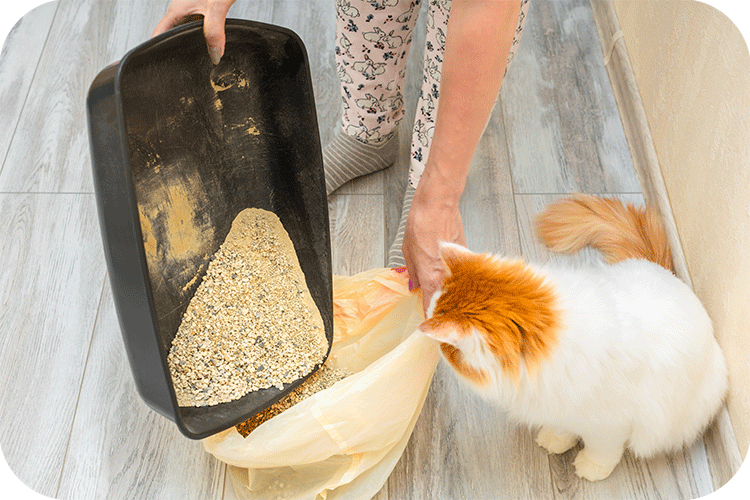
Choosing the right litter for an automatic litter box is not just about odor control. The wrong litter can lead to weak clumps, messy tracking, waste residue, sensor issues, or cleaning problems inside the machine. In most cases, the best litter for an automatic litter box is low-dust, fast-clumping, unscented, and compatible with the box’s cleaning system. However, not every automatic litter box works the same way, so the safest choice always starts with the manufacturer’s litter guidelines.
Why Litter Choice Matters for Automatic Litter Boxes
Automatic litter boxes are designed to separate waste from clean litter with less manual scooping. Some models rotate and sift, some use a rake, some rely on crystal trays, and some use a flushing or washing system. Because these designs work differently, they may need different types of litter.
For example, many sifting or raking automatic litter boxes need clumping litter because solid clumps are easier for the machine to remove. If the litter does not clump well, urine-soaked litter may break apart, stick to the bottom, or stay behind after the cleaning cycle.
Other systems may be built around non-clumping crystal litter or special washable granules. In those cases, regular clay, tofu, corn, paper, or wood litter may not work properly. That is why “automatic litter box compatible” does not mean one universal litter type fits every machine.
The right litter should support three things at the same time:
- The machine’s cleaning mechanism
- Your cat’s comfort and litter preference
- Odor, dust, and tracking control in your home
What to Look for in Litter for an Automatic Litter Box
1. Fast and Firm Clumping
Clumping performance is one of the most important factors for many self-cleaning litter boxes. A good automatic litter box litter should form firm clumps before the cleaning cycle begins.
Weak clumps can break apart during sifting or raking. When this happens, small dirty pieces may fall back into the clean litter bed, causing odor buildup and making the box harder to keep clean.
Look for litter that:
- Forms clumps quickly
- Holds together during movement
- Does not turn muddy at the bottom
- Does not leave wet residue after cleaning
For most sifting and raking systems, firm clumps are easier to remove than soft, loose, or crumbly clumps.
2. Low Dust
Low-dust litter is important for both cats and machines. Dust can spread around your home, settle on nearby surfaces, and irritate sensitive cats. In automatic litter boxes, heavy dust may also collect around sensors, screens, moving parts, or the waste drawer area.
Low-dust litter is especially useful if:
- Your cat has respiratory sensitivity
- Your litter box uses weight or motion sensors
- The machine is placed in a small bathroom, laundry room, or apartment
- You want less buildup inside the unit
No cat litter is completely dust-free, but choosing a low-dust formula can reduce mess and maintenance.
3. Suitable Granule Size
Granule size matters because automatic litter boxes often use screens, rakes, trays, or waste openings to separate clean litter from waste.
If the granules are too large, they may not sift properly. If they are too fine or sandy, they may create more dust or stick to paws. If they are too lightweight, they may be carried into the waste drawer with clumps or tracked outside the box.
For many automatic litter boxes, fine-to-medium granules work better than large pellets. Avoid assuming that all “natural” or “low-dust” litters will fit the machine’s sifting system.
4. Good Odor Control
Automatic litter boxes reduce daily scooping, but they do not eliminate odor by themselves. Litter still plays a major role in controlling urine and feces odor.
Good odor control usually comes from:
- Strong clumping
- Moisture absorption
- Regular waste removal
- Proper litter depth
- A clean waste drawer or tray
- Good ventilation around the litter box area
Be careful with heavily scented litter. Strong fragrance may mask odors for humans, but some cats dislike perfumed litter. If your cat avoids the box after a litter change, scent may be one possible reason.
5. Unscented or Lightly Scented Formula
Most cats tend to prefer unscented litter, especially if they are sensitive to strong smells. A heavily perfumed litter may make the box less appealing, even if it smells pleasant to people.
For automatic litter boxes, unscented litter is often the safer choice because it reduces the risk of litter box avoidance. If you prefer scented litter, choose a mild formula and monitor your cat’s behavior closely after switching.
6. Low Tracking
Tracking happens when litter sticks to your cat’s paws and gets carried outside the box. Automatic litter boxes can reduce scooping, but they do not automatically prevent tracking.
Low-tracking litter usually has granules that are not too dusty, not too sticky, and not too lightweight. A litter mat outside the box can also help catch loose granules.
Long-haired cats, multi-cat homes, and high-traffic litter box areas may need extra attention to tracking control.
7. Manufacturer Compatibility
This is the most important rule: use litter that matches your automatic litter box’s instructions.
Before buying a new litter, check whether your machine requires:
- Clumping litter
- Crystal litter
- Special disposable trays
- Washable granules
- A specific granule size
- A certain litter depth
- Avoidance of pellets, paper, wood, or non-clumping litter
Using the wrong litter may reduce cleaning performance or cause maintenance issues.
Best Types of Litter for Automatic Litter Boxes
The best litter type depends on the machine design. The table below gives a general comparison.
Litter type |
Works well with automatic litter boxes? |
Main advantages |
Main drawbacks |
Best for |
Clumping clay litter |
Often yes, if the box supports clumping litter |
Fast clumping, reliable sifting, widely available |
Can be dusty or heavy depending on formula |
Rotating, sifting, and raking systems |
Tofu litter |
Sometimes, depending on granule size and machine design |
Low dust, biodegradable, mild odor |
Some types have large or lightweight pellets |
Machines that support plant-based clumping litter |
Corn or wheat litter |
Sometimes, if it clumps firmly enough |
Natural, lightweight |
Clumps may be softer; can be sensitive to moisture |
Cats that prefer plant-based litter |
Silica crystal litter |
Only if the machine supports it |
Strong moisture absorption, good odor control, low tracking in some formulas |
Many types do not clump; some machines may not sift it well |
Crystal-litter systems or models that allow crystal litter |
Wood or paper pellets |
Usually not ideal for most sifting systems |
Low dust, natural, lightweight |
Large pellets may not sift; often non-clumping |
Traditional litter boxes or specific compatible systems |
Washable granules |
Only for systems designed for them |
Reusable in compatible flushing/washing systems |
Not for standard automatic boxes |
Flushing or washing automatic litter systems |
Cat Litter Types to Avoid in Most Automatic Litter Boxes
Some litter types are more likely to cause problems in automatic litter boxes, especially in models designed for clumping litter. In general, avoid these unless your machine specifically allows them:
- Large wood pellets: Large pellets may not pass through screens or rakes smoothly. They can also break down into sawdust-like material, which may create residue inside the machine.
- Paper pellets: Paper pellets are usually non-clumping and too large for many automatic sifting systems. They may absorb urine but not form removable clumps.
- Loose-clumping litter: Some litter forms clumps, but the clumps fall apart easily. This can leave dirty fragments behind after each cleaning cycle.
- High-dust litter: Dusty litter can make the box messier and may require more frequent cleaning around sensors and moving parts.
- Strongly scented litter: Strong fragrances may discourage some cats from using the box. If a cat avoids the litter box, the problem can become much harder to fix than ordinary odor control.
- Very lightweight litter: Lightweight litter can be convenient to carry, but some formulas may track more, scatter more, or get removed with waste during the cleaning cycle.
- Non-clumping litter in a clumping system: If your automatic litter box depends on clumping, non-clumping litter is usually a poor fit. It may leave wet litter behind and reduce odor control.
How Different Automatic Litter Box Designs Affect Litter Choice
Rotating Automatic Litter Boxes
Rotating models usually separate clumps from clean litter through a sifting screen. For these machines, firm clumping and suitable granule size are especially important.
Best choice for many rotating systems:
- Low-dust clumping litter
- Fine-to-medium granules
- Firm clumps that do not break apart
Avoid large pellets, loose clumps, and very dusty litter.
Rake-Style Automatic Litter Boxes
Rake-style boxes push waste into a covered compartment. These machines need clumps that are strong enough to hold together when pushed.
Best choice for many rake-style systems:
- Firm clumping litter
- Low-stick formula
- Granules that do not jam the rake
Avoid soft clumps that smear or crumble.
Crystal-Tray Automatic Litter Boxes
Some automatic litter boxes are designed around crystal trays. These systems may not work like clumping litter boxes. The crystals absorb urine and help dry solid waste.
Best choice for crystal-tray systems:
- The crystal litter type recommended by the manufacturer
- The correct tray or refill format
- No substitutions unless officially allowed
Avoid using clay, plant-based litter, or other litter types in these systems unless the manual says they are compatible.
Flushing or Washing Automatic Litter Boxes
Flushing or washing systems may require special washable granules. These systems are very different from standard clumping litter boxes.
Best choice for flushing or washing systems:
- The washable granules or litter type specified by the manufacturer
- The correct cleaning solution if required
- No regular clay, paper, wood, tofu, or crystal litter unless approved
Using the wrong material can interfere with the cleaning process.
Sensor-Based Smart Litter Boxes
Smart litter boxes may use sensors to detect cat entry, litter level, weight, or waste drawer status. In these boxes, litter color, weight, dust level, and granule behavior may matter more than expected.
Best choice for sensor-based systems:
- Low-dust litter
- Stable granule weight
- Compatible color and texture
- Litter depth within the recommended fill line
If the machine gives frequent false alerts after a litter change, the litter type may be one possible cause.
If you are also comparing automatic litter boxes, the Meowant Self-Cleaning Cat Litter Box – MW-SC09 is a new smart option worth noting. It features a 106L enclosed chamber, an 8.27-inch low entrance, a 6.7L waste container, multi-sensor safety protection, app-based monitoring, and support for bentonite, tofu, and mixed cat litter. As with any self-cleaning litter box, the key is still to use a compatible low-dust litter and follow the machine’s litter guidelines for best performance.
How to Switch Litter Safely
Cats can be sensitive to sudden litter changes. Even if a new litter works better with the machine, your cat still has to accept it.
To switch litter safely:
- Mix a small amount of the new litter with the old litter.
- Gradually increase the new litter over several days.
- Keep the litter box clean during the transition.
- Watch for avoidance, hesitation, or accidents outside the box.
- If your cat refuses the new litter, slow down the transition or return to the previous type.
Do not change the litter, litter box location, and machine settings all at once. Too many changes can make it harder to know what your cat dislikes.
Tips for Using Litter in an Automatic Litter Box
Keep the Litter at the Correct Level
Too much litter can interfere with cleaning. Too little litter may cause urine to reach the bottom before clumping properly. Always follow the fill line or depth recommendation in the manual.
Let Clumps Form Before Cleaning
If your machine allows you to adjust the cleaning delay, choose a setting that gives the litter enough time to form firm clumps. This can help reduce sticking and broken clumps.
Clean Sensors and Screens Regularly
Even low-dust litter can leave residue over time. Wipe sensors, screens, rakes, and inner surfaces according to the manufacturer’s cleaning instructions.
Watch the Waste Drawer
Automatic cleaning does not mean zero maintenance. Empty the waste drawer or replace the tray before it gets too full. A full waste area can worsen odor and reduce cleaning performance.
Monitor Your Cat’s Behavior
If your cat suddenly avoids the automatic litter box, do not assume the machine is the only issue. The problem could be the litter texture, scent, cleanliness, noise, location, or a health issue.
If your cat strains, urinates frequently, cries in the box, or urinates outside the box, contact a veterinarian. Litter box changes can sometimes be linked to medical problems.
Common Mistakes When Choosing Litter for Automatic Litter Boxes
Mistake 1: Choosing Litter Only for Odor Control
Odor control matters, but it should not be the only factor. A litter that smells fresh but clumps poorly may perform badly in an automatic litter box.
Mistake 2: Assuming All Natural Litter Is Compatible
Natural litter can be a good choice, but not all plant-based, wood, paper, or pellet litters work in automatic systems. Check clumping strength and granule size first.
Mistake 3: Using Non-Clumping Litter in a Clumping Machine
If the machine is built to remove clumps, non-clumping litter can leave urine-soaked particles behind.
Mistake 4: Ignoring Dust
Dust can affect cleanliness, comfort, and maintenance. Choose low-dust litter whenever possible.
Mistake 5: Switching Too Quickly
A sudden litter change may cause litter box avoidance. Gradual transitions are usually safer.
Related guide: How to Choose a Pellet Litter Box for Cats in 2026
Related reading:
- Do Multiple Cats Need Separate Litter Types?
- What Litter is Best for Kittens in Smart Boxes?
- Scented, Lightly Scented, or Unscented Cat Litter: How to Choose for Your Cat
FAQs
Q1. What type of litter works best in an automatic litter box?
For many automatic litter boxes that sift or rake waste, low-dust clumping litter with fine-to-medium granules works best. However, some automatic boxes require crystal litter or special washable granules, so always check your specific model’s instructions.
Q2. Can I use regular cat litter in an automatic litter box?
You can use regular cat litter only if it matches the machine’s requirements. If the box requires clumping litter, choose a regular clumping formula. If the box requires crystal litter, special trays, or washable granules, regular clay or plant-based litter may not be suitable.
Q3. Is clumping litter required for automatic litter boxes?
Clumping litter is required for many automatic litter boxes, especially those that use rotating, sifting, or raking systems. But not every automatic litter box uses clumping litter. Some systems are designed for crystal litter or washable granules instead.
Q4. Can I use crystal litter in an automatic litter box?
Crystal litter can work only in automatic litter boxes that support it. Some systems are made specifically for crystal litter, while others may not clean non-clumping crystal litter properly. Always check whether your machine allows crystal litter before using it.
Q5. Is tofu litter good for automatic litter boxes?
Tofu litter can work in some automatic litter boxes, especially if it clumps firmly and has small enough granules for the sifting system. However, large tofu pellets or very lightweight formulas may not work well in every machine.
Choose the Right Litter to Keep Your Automatic Litter Box Working Its Best
The best litter for an automatic litter box depends on how the machine cleans. For many rotating, sifting, and raking models, a low-dust, fast-clumping, unscented litter with fine-to-medium granules is usually the most practical choice. For crystal-tray or flushing systems, the correct litter may be completely different.
Before choosing a litter, check your automatic litter box manual, consider your cat’s preferences, and test any new litter gradually. A good litter should help the machine clean efficiently, control odor, reduce dust, and keep your cat comfortable enough to use the box every day.
