


Best Cat Litter for Cats with Allergies: Low-Dust Options Compared
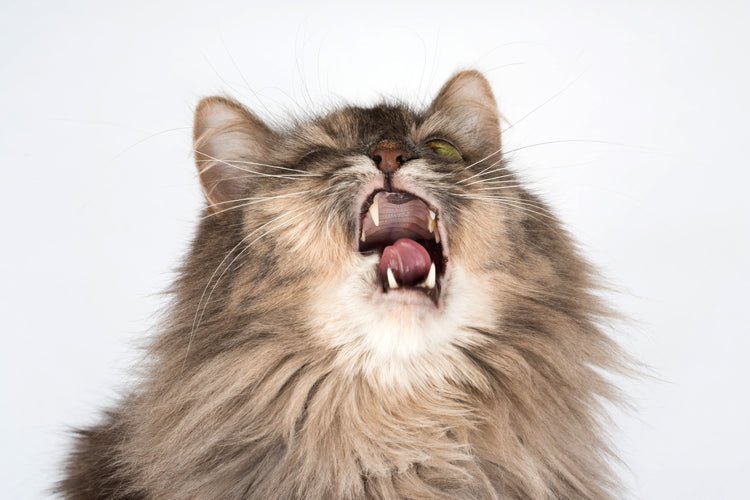
If your cat sneezes, has watery eyes or licks their paws after using the litter box, the litter may be part of the problem. Most reactions come from dust and added fragrance rather than the litter material itself. For a sensitive cat, the best cat litter is usually a low-dust, unscented clumping litter, introduced gradually, with a vet check if symptoms don't settle.
This guide explains how to tell litter irritation from other causes, compares common litters by dust and fragrance, covers skin, paw and eye reactions, and shows how to cut dust around the box. It finishes with what to look for in a low-dust litter and which Meowant options fit.
Litter dust and allergy guides in this series
Each guide below goes deeper on one question. The sections further down this page give you the short answer first.
Skin and eye reactions
- Contact dermatitis and paw irritation: how to spot red, itchy paws caused by litter, and how it differs from an infection.
- Litter dust and skin flares in atopic cats: why fine dust can make an existing skin allergy worse, and how to reduce exposure.
- Litter dust and conjunctivitis: the eye signs that point to dust irritation, and the ones that need a vet.
Dust in the home environment
- Humidity and litter dust: how very dry or very humid air changes how much dust stays in the air.
- How a cat's coat handles fine dust: why coat type affects how much litter dust a cat carries around.
Choosing a low-dust litter
- Low-dust clumping litter that still clumps well: how to test dust and clump strength together instead of trusting a "dust-free" label.
- Do larger litter granules reduce dust and tracking?: why bigger granules track less but don't guarantee less dust.
Can cats be allergic to cat litter?
Yes, but it's less common than people think. Many "litter allergies" are irritation: fine dust or fragrance bothering the eyes, nose, airways or skin. A true allergy is an immune reaction, and in cats it is more often triggered by things like pollen, dust mites, fleas or certain foods. The two can overlap, because dust from litter can make an allergic cat's skin or breathing worse.
Signs that the litter may be involved:
- Sneezing, coughing or wheezing during or right after a visit to the box
- Watery, red or squinting eyes
- Licking or chewing the paws, or red, irritated paw pads
- Overgrooming, scratching or thinning fur, especially on the paws, belly or face
- Hesitating at the box, perching on the rim or going elsewhere
The timing is the clue. If symptoms flare around litter changes or box visits and ease when the litter is switched, the litter is a likely factor. If they continue all year or appear in other rooms, something else is probably going on.
See your vet if symptoms last more than a few days after a litter change, if your cat has eye discharge that is yellow or green, a swollen or cloudy eye, broken skin, or seems unwell. Get help straight away for labored or open-mouth breathing. A vet can check for upper respiratory infection, asthma, skin allergies, fleas and food allergies, which can all look like a reaction to litter.
What in cat litter causes reactions?
- Dust. Fine particles rise when litter is poured, dug or scooped. Clay litters, especially cheaper non-clumping ones, tend to be the dustiest. Dust can irritate the eyes and airways and settles on paws and fur.
- Fragrance. Added scent is there for people, not cats. It can irritate sensitive noses and skin, and some cats simply avoid it.
- Additives. Some litters include extra deodorizers, colorants or treatments. A short ingredient list is easier to judge.
- Dirty litter. Ammonia from old urine adds to airway irritation. Daily scooping helps everyone; here is how a dirty litter box affects your cat's health.
Low-dust cat litters compared
Dust and texture vary a lot between brands, so treat this table as a starting point rather than a ranking.
| Litter type | Typical dust | Clumps? | Notes for sensitive cats |
|---|---|---|---|
| Non-clumping clay | High | No | Often the dustiest choice; urine stays in the box between changes |
| Clumping clay (bentonite) | Moderate to high | Yes | Good odor control; look for low-dust versions and pour slowly |
| Silica crystal | Low | No | Little dust, but some cats dislike the hard texture |
| Recycled paper | Very low | No | Gentle on paws and airways; weaker odor control |
| Pine or wood pellets | Low | Usually no | Natural wood smell can bother some cats |
| Corn or wheat | Low to moderate | Often | Keep dry and sealed; damp grain litter can attract bugs and mold |
| Tofu | Low | Yes | Soft underfoot; check that clumps hold together |
| Mixed tofu and bentonite | Low to moderate | Yes | Clay-like clumping with less weight and dust than straight clay |
For most cats with sensitivities, an unscented clumping litter with low dust is the practical middle ground: it controls odor without perfume and lets you remove urine completely. Paper is a good short-term option if your vet wants to rule litter out or your cat is recovering from surgery. For a full rundown of every litter type, see our guide to types of cat litter.
Skin and paw reactions
Paws touch litter every visit, so they show irritation first. Contact dermatitis from litter usually looks like red or pink paw pads and skin between the toes, frequent paw licking, chewing at the feet or a cat that shakes its paws after leaving the box. Fragrance and fine dust are the usual suspects.
A simple home check: switch to an unscented, low-dust litter, keep everything else the same and watch the paws for one to two weeks. If the redness fades, the old litter was likely involved. If the skin is cracked, swollen, oozing or the licking gets worse, see your vet, since infections and other skin conditions need treatment. Read more about contact dermatitis and litter-related paw irritation.
Cats with atopic dermatitis, an ongoing skin allergy to environmental triggers, are a special case. Litter is rarely the root cause, but fine dust settling on the coat can add to the itch. Lower-dust litter, a box away from where your cat sleeps and wiping the paws when they flare can all help alongside your vet's treatment plan. See how litter dust affects skin flares in atopic cats.
Eye irritation and conjunctivitis
Dust kicked up while digging can land in a cat's eyes. Mild irritation shows as watering, blinking or brief squinting after using the box, and it usually clears quickly once the dust level drops. Conjunctivitis, inflammation of the membrane around the eye, shows as redness, swelling and discharge.
Dust irritation tends to affect both eyes mildly and improve when you switch litter. Signs that point to infection instead include thick yellow or green discharge, sneezing with nasal discharge, a cat that is quiet or off food, or one eye that is much worse than the other. Those need a vet visit, and so does any cloudy eye or a cat that keeps one eye shut. Our guide on litter dust and conjunctivitis covers what to look for.
How to reduce litter dust at home
Changing litter is the biggest step, but how you handle it and where the box sits also make a difference.
- Pour low and slow. Hold the bag close to the box and pour gently, ideally with a window open or an exhaust fan on.
- Scoop gently. Lift clumps out rather than stirring the whole box.
- Keep the box away from vents and strong drafts, which carry fine dust into the room.
- Keep indoor humidity moderate. Very dry air lets fine dust hang longer, while very humid air makes litter clump in the bag and encourages mold. Read how humidity changes litter dust.
- Wipe surfaces near the box with a damp cloth rather than dry dusting, which sends particles back into the air.
- Use a litter mat to catch granules before they spread. Our guide on how to stop a cat from tracking litter everywhere has more ideas.
Coat type matters too. Long-haired and dense-coated cats pick up more dust and carry it around the home, and they groom it off later. Regular brushing helps. Read more about how a cat's coat handles fine dust.
How to choose a low-dust litter
"Dust-free" on a bag is a marketing claim, not a measurement. No litter produces zero dust. Test it yourself once you have a bag:
- Pour test. Pour a little in good light. A visible cloud means more dust on paws, fur and nearby surfaces.
- Clump test. Lift a urine clump once with the scoop. It should hold together. A litter that crumbles creates fine pieces that turn to dust and leaves wet litter behind.
- Scent check. Choose unscented. A deodorizing ingredient such as baking soda is fine; added perfume is what sensitive cats react to.
- Granule size. Larger granules usually track less, but they don't automatically mean less dust. The formula and how much it breaks down matter more.
Our guides on low-dust clumping litter that still clumps well and whether larger granules reduce dust and tracking go into each test.
When you switch, do it gradually unless your vet advises otherwise. Mix a small amount of the new litter into the old and increase the share over one to two weeks, watching how your cat uses the box. Cats that suddenly face a new texture may avoid the box, which creates a new problem.
Meowant litter and litter box options
Meowant makes two 5-in-1 mixed litters, both clumping blends of tofu and bentonite clay that go through a 7-step dust removal process. They differ in scent:
- Meowant Premium 5-in-1 Mixed Cat Litter (MW-CL03) is unscented. It adds baking soda and uses a bentonite dust-locking process and vacuum-sealed packaging. For cats with sensitive noses, eyes or skin, an unscented litter like this is the better starting point.
- Meowant 5-in-1 Mixed Cat Litter has a light milk scent, with deodorizing beads, zeolite and volcanic minerals. It suits cats that already accept a scented litter.
No litter can promise to stop allergy symptoms. If your cat still reacts after a careful switch, the cause is probably something other than the litter, and your vet is the next step.
A self-cleaning box doesn't make litter less dusty, but it does reduce how often you stir it up yourself, and waste goes into a closed drawer instead of sitting in the open. That helps owners who react to litter dust as much as it helps the cat. Mixed and tofu litters need a box designed for them: the Meowant SC09 (MW-SC09) works with all types of clumping litter, including bentonite, mixed and tofu litter with granules under 15 mm. For any other self-cleaning litter box, check the litter guidance for that model. Our guides explain how the main types of self-cleaning litter boxes differ and which litters work best in automatic litter boxes.
What if you're the one reacting?
People can react to litter dust and fragrance too, with sneezing, an itchy throat or watery eyes while cleaning the box. The same fixes help: low-dust unscented litter, slow pouring, good ventilation and, if needed, a simple dust mask while you change the litter. Wash your hands afterwards.
If your symptoms happen around the cat rather than the litter, the trigger is more likely proteins from the cat's saliva and skin than the litter itself. Our guide on why some cat breeds produce fewer allergens explains where those allergens come from. Talk to your doctor about ongoing symptoms.
Choosing litter for an allergic cat: the short version
- Most litter reactions come from dust and fragrance, not the litter material.
- Choose an unscented, low-dust clumping litter, and test the dust and clumps yourself.
- Switch gradually over one to two weeks and watch the paws, eyes and breathing.
- Cut dust with slow pouring, gentle scooping, moderate humidity and a box away from vents.
- See your vet if symptoms continue after a switch, and straight away for breathing trouble or a painful or cloudy eye.
Cat litter allergy FAQs
Is there a truly hypoallergenic cat litter?
No litter is hypoallergenic for every cat, and the word isn't a regulated standard. What helps most sensitive cats is low dust, no added fragrance and firm clumps. Paper litter has the least dust but weaker odor control; a low-dust unscented clumping litter suits most homes long term.
Can litter dust trigger asthma in cats?
Dust and fragrance can irritate the airways and may worsen coughing or wheezing in cats with asthma. If your cat coughs, wheezes or breathes with effort, see your vet. Switching to a low-dust, unscented litter is a sensible step alongside treatment.
How long does it take for symptoms to improve after changing litter?
If the litter was the cause, mild sneezing and eye watering often ease within days, and paw redness within one to two weeks. If nothing changes after a couple of weeks, look for another cause with your vet.
Is clumping litter safe for cats with allergies?
Yes, for most cats. Clumping itself isn't the problem; dust and fragrance are. A low-dust, unscented clumping litter is often the best balance of comfort and odor control.
