


Cat Urinary Tract Problems: UTIs, Cystitis, Crystals and Blockages Explained
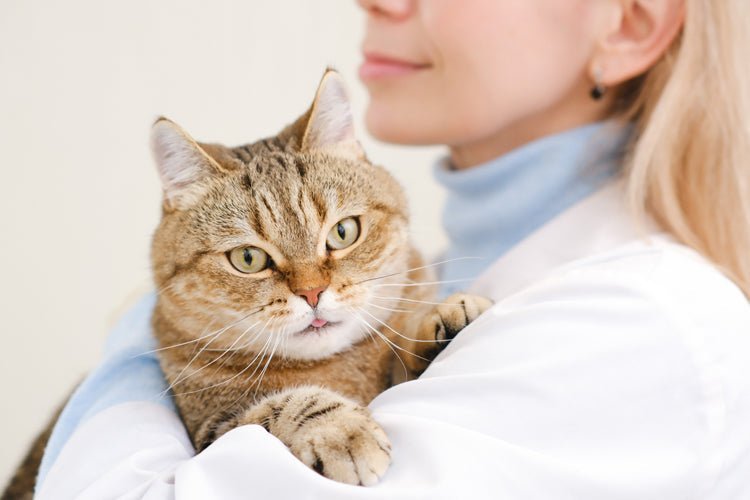
When a cat strains in the litter box, pees in small amounts, or leaves pink-tinged clumps, most owners think "UTI." That is a reasonable first thought, but in cats, a true bacterial urinary tract infection is only one of several problems that cause the same signs. Vets group them together as feline lower urinary tract disease (FLUTD): stress-related bladder inflammation (feline idiopathic cystitis), crystals and bladder stones, urethral plugs, and bacterial infections. Telling them apart takes a vet and a urine test, but knowing how they differ helps you understand the signs, act quickly when it matters, and prevent repeat episodes.
Note: This guide is for general education and does not replace veterinary diagnosis or treatment. A cat that is straining to pee with little or no urine coming out has an emergency, especially a male cat. Call a vet or emergency clinic now; do not wait to see if it passes.
Cat urinary health guides by topic
This page explains the main urinary problems in cats and how they connect. Each guide below goes deeper on one part.
Urinary blockage: emergency signs and aftercare
- Emergency signs of a urinary blockage: the signs that mean a cat cannot pass urine, why male cats are most at risk, and what to do on the way to the vet.
- Supporting a cat after a blockage: hydration, monitoring, and stress control in the weeks after treatment, when the risk of another blockage is highest.
Crystals, stones and urinary diets
- Urinary pH and crystals: how struvite and calcium oxalate crystals differ, and why urine pH and concentration matter.
- Prescription urinary diets long term: how these diets work, and how to protect muscle and body condition if your cat stays on one.
- Urinary health in large cat breeds: hydration, diet, and litter box setup for Maine Coons and other big cats.
Stress and feline idiopathic cystitis
- A low-stress litter box zone for FIC cats: how a consistently clean, predictable litter area supports cats with stress-related cystitis.
Hydration and fluid support
- Signs of dehydration and urinary risk: home hydration checks and why concentrated urine raises the risk of crystals.
- Supporting a cat on sub-Q fluids: how to give fluids under the skin at home when your vet prescribes them.
Signs of Urinary Problems in Cats
Whatever the cause, lower urinary tract problems tend to look alike. Watch for:
- Frequent trips to the litter box, often producing only small clumps
- Straining, crouching for a long time, or crying while urinating
- Pink, red, or brown-tinged urine, or blood spots in the litter
- Peeing outside the litter box, often on cool, smooth surfaces such as a bathtub or tile
- Licking the genital area more than usual
- A strong or unusual urine smell
Peeing more often does not mean the bladder is healthier. Frequent small urinations are one of the most common signs of a bladder problem, so treat a sudden rise in litter box visits as a reason to look closer, not as good news. For what normal urine clumps look like and how to read changes, see what your cat's litter box can tell you about their health, and for color and odor changes, when unusual urine color and smell mean a vet visit.
When It Is an Emergency: Urinary Blockage
A urinary blockage happens when crystals, a stone, a plug of mucus and minerals, or swelling closes the urethra, the tube that carries urine out of the body. It is far more common in male cats because their urethra is long and narrow. A blocked cat cannot empty its bladder, waste builds up in the blood, and the condition can become life-threatening within hours to a day or two.
Call a vet or emergency clinic immediately if your cat:
- Strains in the litter box and produces little or no urine
- Goes in and out of the box repeatedly without leaving a clump
- Cries, hides, or seems painful when you touch the belly
- Vomits, stops eating, or becomes lethargic along with litter box straining
- Has not peed for 24 hours
Straining to pee and straining to poop look very similar. If you cannot tell which your cat is doing, treat it as urgent. Do not press on the belly to "check" the bladder, and do not wait overnight. The guide to emergency signs of a urinary blockage covers what to expect at the clinic.
After a Blockage
Treatment usually involves sedation, a urinary catheter to clear the blockage, fluids, and pain relief, followed by a few days in hospital. Once home, cats often go on pain relief, other medication your vet prescribes, and a urinary diet. The first weeks matter most, because a cat that has blocked once can block again. Count urine clumps every day, encourage drinking, keep the home calm, and call your vet right away if straining returns. The guide on supporting a cat after a urinary blockage walks through home care step by step.
How Do Cats Get Urinary Tract Infections?
A true urinary tract infection happens when bacteria travel up the urethra into the bladder and multiply. Healthy young cats are quite good at resisting this, because cat urine is normally concentrated and the urinary tract has its own defenses. That is why, in cats under about 10 years old, a bacterial infection is an uncommon cause of urinary signs. Feline idiopathic cystitis is the most frequent diagnosis in that age group.
Bacterial UTIs are more common when something weakens those defenses:
- Age: Older cats, especially over 10, are more likely to have true infections.
- Other conditions: Kidney disease, diabetes, and an overactive thyroid often lead to more dilute urine, which bacteria find easier to grow in.
- Bladder stones: Stones irritate the bladder lining and can shelter bacteria.
- Recent catheterization: A urinary catheter after a blockage can raise infection risk.
- Anatomy or mobility issues: Overweight or arthritic cats may struggle to groom and fully empty the bladder.
Because the signs of infection, cystitis, and crystals look the same, a vet will usually run a urinalysis and, if infection is suspected, a urine culture before choosing treatment. Antibiotics only help when bacteria are actually present, so a culture avoids giving them to a cat whose problem is cystitis or crystals. Cats with kidney disease deserve extra attention here; the guide to wet food vs. dry food for feline kidney health covers the diet side of that condition.
Feline Idiopathic Cystitis: When Stress Affects the Bladder
Feline idiopathic cystitis (FIC) is inflammation of the bladder without infection or stones. "Idiopathic" means the exact cause is not fully understood, but stress plays a clear role, and episodes often follow changes such as a move, a new pet, visitors, or conflict between cats. FIC is most common in young to middle-aged, indoor, and overweight cats, and in cats that drink little. Male cats with FIC can also develop urethral plugs and become blocked.
FIC episodes often settle within a few days to a week, but they tend to come back, so management focuses on the cat's environment as much as on medication. Vets often recommend:
- Enough resources: One litter box per cat plus one, and food, water, and resting spots in more than one place, so no cat has to compete.
- Calm litter areas: Quiet, low-traffic spots where a cat cannot be cornered. In multi-cat homes, see how to solve litter box competition between cats.
- Predictable routines: Regular feeding, play, and cleaning times.
- Daily play and hiding places: Play burns off tension, and boxes or high perches give a stressed cat somewhere to retreat.
- More moisture: Wet food and more water help dilute urine.
Some owners also try synthetic pheromone diffusers. The evidence for them is mixed, so treat them as an extra rather than the main plan. A consistently clean, predictable litter box is one of the easiest stress reducers to control; the guide to using automation for a low-stress zone for FIC cats explains how.
Crystals, Bladder Stones, and Urinary Diets
Crystals are microscopic mineral particles that form in urine. They can clump into plugs or grow into bladder stones. The two main types behave differently:
| Struvite | Calcium oxalate | |
|---|---|---|
| Tends to form in | More alkaline urine | More acidic urine |
| Linked to infection? | In cats, usually not; most form without infection | No |
| Can a diet dissolve stones? | Often, with a prescription dissolution diet and vet monitoring | No; stones that cause problems usually need to be removed |
| Prevention focus | More water, a diet that keeps urine slightly acidic and dilute | More water, avoiding over-acidifying the urine |
This is why urinary diets are not one-size-fits-all. A prescription urinary diet can dissolve struvite stones and lower the risk of both crystal types coming back, but it cannot dissolve calcium oxalate stones. Do not add urine acidifiers or supplements at home, because pushing urine too acidic can raise the risk of oxalate stones. Your vet will choose a diet based on the stone or crystal type, usually confirmed by urinalysis and X-rays or ultrasound. The guide to the role of pH in preventing feline urinary crystals explains the chemistry in plain terms.
Living With a Urinary Diet
Some cats eat a urinary diet for a short course; others stay on one long term. These diets are complete and balanced, but keep an eye on your cat's weight, muscle, and appetite, especially if your cat is older or eats less of the new food. Ask your vet about rechecks, and do not switch diets without advice. More detail is in long-term urinary diets and muscle loss. Large breeds such as Maine Coons have their own setup needs, covered in urinary health considerations for large cat breeds.
Cat UTI and Litter: Does a Dirty Litter Box Cause UTIs?
A dirty litter box is not usually the direct cause of a bacterial infection, and keeping the box clean will not cure one. But litter box hygiene still matters for urinary health in three ways:
- Holding urine: Many cats avoid a dirty or smelly box and hold their urine longer, which keeps urine sitting in the bladder.
- Stress: An unpleasant or crowded litter area is a stressor, and stress is a major trigger for FIC flare-ups.
- Spotting changes: A clean box makes it much easier to see changes in clump size, number, and color early.
For cats with urinary problems, a few litter choices help. Unscented clumping litter lets you count clumps and see pink tinges. Scoop at least once or twice a day, and wash the box regularly with mild soap; see how to clean and sanitize a cat litter box. Strong litter box smells can also put cats off, so cat litter odor control is part of keeping the box inviting. If your cat has started peeing outside the box, rule out a urinary problem with your vet first, then look at the box itself, such as size, location, and number, along with the type of litter box you use.
How Vets Treat Urinary Problems in Cats
Treatment depends on the cause, which is why testing comes first. A vet will usually start with a physical exam and urinalysis, and may add a urine culture, blood tests, X-rays, or ultrasound.
- Bacterial infection: Antibiotics chosen by your vet, ideally guided by a urine culture. Finish the full course even if your cat seems better.
- FIC: Pain relief, more moisture in the diet, and environmental changes to reduce stress. Antibiotics do not help cystitis without infection.
- Crystals or stones: A prescription urinary diet for struvite; surgery or other removal for stones that will not dissolve or are causing problems.
- Blockage: Emergency treatment to unblock the urethra, fluids, and hospital care.
- Pain relief: Urinary problems are painful, and pain control is part of almost every treatment plan.
Never give your cat human pain relievers. Some, such as acetaminophen (paracetamol) and ibuprofen, are toxic to cats.
Hydration and Urinary Health
Dilute urine is one of the best defenses against crystals and bladder irritation, and many cats drink less than they need. A few habits help:
- Feed wet food, or add water to meals, if your vet agrees.
- Offer water in several places, away from food and litter boxes.
- Try a wide, shallow bowl or a fountain to see what your cat prefers.
A fountain can make fresh water more appealing for some cats. The Meowant DF03 Water Fountain keeps clean water and wastewater in separate tanks, so it needs no replacement filters, and in Sensor Mode it refreshes the bowl with fresh water 15 minutes after your cat drinks. For how fountains compare with bowls, see pet water fountains for cats and dogs, and for daily water amounts, the pet hydration guide.
Learn the signs of low intake, too, because concentrated urine raises the risk of crystals; see signs of dehydration in cats and urinary health risk. Some cats with kidney disease or recurring urinary problems need extra fluids under the skin, which your vet can teach you to give at home; the guide to supporting a cat on sub-Q fluids explains the routine. Only give sub-Q fluids when your vet has prescribed them.
Preventing Urinary Problems in Cats
Keep the Litter Box Clean and Easy to Use
- Scoop at least once or twice daily.
- Wash the box regularly with mild, unscented soap and avoid harsh chemicals.
- Provide one box per cat, plus one, in quiet, separate locations.
Hydration Is Key
- Offer multiple water stations around the house.
- Include wet food in the diet if your vet agrees.
Reduce Stress
- Stick to a routine; cats find unpredictability stressful.
- Provide vertical spaces, hiding places, and daily interactive play.
- Introduce changes, such as new pets or furniture, gradually.
Keep a Healthy Weight and Regular Vet Visits
- Overweight cats are at higher risk of FIC and urinary problems.
- Yearly check-ups, or every six months for seniors, catch early signs of kidney disease, diabetes, or thyroid problems, which can affect the urinary tract.
Using Litter Box Records to Spot Changes Early
Many urinary problems first show up as a change in how often a cat visits the litter box. If you scoop by hand, count clumps once a day and note anything unusual. An automatic litter box removes waste soon after each visit, so you see fewer clumps, but some models keep visit records instead. The Meowant SC09 (MW-SC09) connects to the AIRPET App, which lets you remotely monitor litter box usage and view usage data, so a sudden jump in visits is easier to notice, even when you are away from home.
A record cannot show urine color or blood, and it cannot tell you why your cat is visiting more often. Treat it as a prompt to look closer and call your vet, never as a reason to wait when your cat is straining. For more on how litter box data can flag early changes, read how a smart litter box can help detect early signs of cat illness.
FAQs
Q1. Can a Cat UTI Go Away on Its Own?
Cystitis without infection (FIC) often settles within a few days to a week, but a true bacterial infection usually needs treatment, and the signs of both look the same. Because a blockage can also look similar at first, have any urinary signs checked by a vet rather than waiting.
Q2. Can Indoor Cats Get UTIs?
Yes. Indoor cats are actually more prone to FIC, which is often linked to stress, low activity, and low water intake. True bacterial infections are more common in older indoor cats with conditions such as kidney disease or diabetes.
Q3. Are Male or Female Cats More Likely to Get Urinary Problems?
Both get urinary problems, but male cats are much more likely to become blocked because their urethra is narrower. Any male cat straining to pee needs a vet immediately.
Q4. What Is the Best Litter for a Cat With a UTI?
Unscented, low-dust clumping litter is a good choice for most cats with urinary problems. It is comfortable to dig in, does not add a strong smell that may put a sore cat off, and makes it easy to count clumps and spot pink tinges.
Q5. Can Food Cause Urinary Problems in Cats?
Diet affects urine concentration and pH, which influence crystal formation. A mostly dry diet with low water intake can increase risk in some cats. If your cat has had crystals or stones, your vet may recommend a specific urinary diet; do not change it without advice.
Conclusion
Urinary signs in cats are common, and they are rarely as simple as "a UTI." Most young cats have stress-related cystitis, some have crystals or stones, older cats are more likely to have true infections, and male cats can become blocked. Learn the signs, treat straining with little urine as an emergency, keep the litter box clean and calm, and help your cat drink more. Those habits, together with an early call to your vet, prevent many repeat episodes.
