


How to Prevent Urinary Tract Infections in Cats
Few things are more distressing than watching your cat struggle with a urinary tract infection (UTI). That painful straining, frequent trips to the litter box, or—worst of all—blood in their urine can leave any pet owner feeling helpless. UTIs aren't just uncomfortable; they can escalate into serious kidney or bladder issues if left untreated. Keeping their urinary system healthy isn't just about comfort; it's key to avoiding long-term problems like blockages or kidney damage. Here's how I've learned to stay ahead of it—before it becomes an emergency.
What Causes UTIs in Cats?
UTIs don't come out of nowhere. They're usually triggered by one or more underlying factors:
- Bacterial Infections: Often entering the urethra due to poor hygiene or a weak immune system.
- Litter Box Neglect: A dirty litter box breeds bacteria—and if your cat avoids it, they'll “hold it,” increasing risk.
- Low Water Intake: Cats aren't natural water drinkers, and concentrated urine is a breeding ground for problems.
- Stress and Diet: Just like in humans, stress impacts feline immunity and digestion, which affects their urinary tract.
- Obesity or Health Issues: Overweight cats and those with diabetes or kidney issues are more prone to recurring infections.
How to Prevent Cat UTIs
When it comes to cat urinary tract infections (UTIs), prevention is so much easier (and cheaper) than treatment. As a cat owner who's dealt with the stress and vet bills of a feline UTI, I've learned that a few small lifestyle adjustments can make a huge difference.
A. Keep the Litter Box Clean and Odor-Free
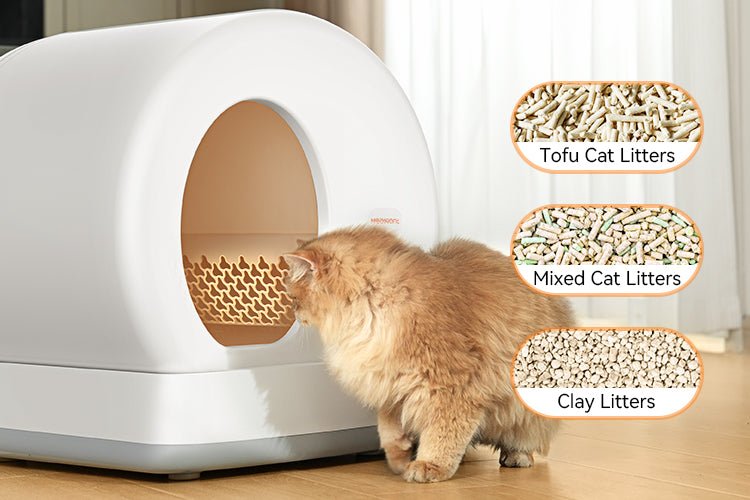
Let's start with the litter box. Cats are picky—if their box is dirty, many will hold their pee rather than step inside, which can lead to a buildup of bacteria and eventually a UTI. I now clean my litter box at least once daily, but to be honest, what truly changed the game for me was switching to the Meowant SC01 Self-Cleaning Cat Litter Box. Here's a closer look at what makes the SC01 stand out:
✅ Automatic Self-Cleaning: No more scooping! The SC01 detects when your cat exits and automatically rakes waste into a sealed compartment within seconds. Reduces bacterial growth by removing clumps immediately.
✅ Odor Control and Hygiene: A built-in carbon filter traps odors, keeping your home smelling fresh. The sealed waste compartment prevents smells from escaping.
✅ Smart App Control: Infrared sensors pause cleaning if your cat re-enters mid-cycle. Quiet operation won't startle sensitive cats.
✅ Spacious & Comfortable Design: Large entry space accommodates cats of all sizes (up to 15 lbs). Low-step entry makes it easy for kittens and senior cats.
B. Encourage Hydration
Dehydration is a leading cause of UTIs. Since cats evolved from desert animals, they naturally drink less water, especially if fed dry kibble.
What works best?
Place multiple water bowls around the house.
Use a cat water fountain—the sound of running water attracts cats. One option is the Meowant DF03 Water Fountain, which serves water from a stainless steel bowl. Stainless steel is easier to keep clean than plastic.
Key Features:
✔ Fresh Water on Demand: With Sensor Mode enabled, the DF03 serves a fresh supply of water 15 minutes after the stainless steel bowl is emptied. You can also set automatic refreshes every 4 or 6 hours.
✔ Clean and Wastewater Kept Apart: Clean water (4.5L tank) and wastewater (2.1L tank) are stored separately, so there are no replacement filters.
✔ Electrical Parts Above the Water: The electrical components sit above the water line.
C. Feed a Proper Diet
Diet matters, more than I used to think. I made the switch from dry to high-moisture wet food, and my vet immediately approved. Some cheaper foods are packed with magnesium and ash, which can contribute to crystal formation and blockages. I now stick with urinary health formulas recommended by my vet. They're not just marketing fluff; they actually help balance pH and keep things flowing smoothly.
D. Minimize Stress and Maintain Routine
Stress plays a sneakier role than we often realize. A sudden move, new pet, or change in feeding schedule can weaken your cat's immune system, leaving them vulnerable to infections.
How to help:
- Keep a consistent feeding and play schedule.
- Use pheromone diffusers or calming sprays if your cat is anxious.
- Provide hiding spots and vertical spaces (cat trees) for security.
E. Maintain Regular Vet Checkups
Even healthy cats should see the vet annually. Early detection is key, urine tests can spot issues before symptoms appear.
If your cat has had UTIs before, ask your vet about preventive screenings. Spaying/neutering can also reduce UTI risks linked to hormonal behaviors.
F. Bonus Tips to Prevent Cats from Getting UTI
In multi-cat households, always provide one litter box per cat, plus an extra. It reduces competition and accidents. I also switched to unscented, clumping litter, easier to spot if something's off. Pay attention: frequent urination, straining, or accidents outside the box are red flags. Don't wait, early treatment is key.
Conclusion
Preventing UTIs comes down to cleanliness, hydration, diet, stress management, and vet care. Investing in the right products, like a self-cleaning litter box or water fountain can make a big difference. Your cat's health is worth the effort!
By following these steps, you'll reduce UTI risks and keep your feline friend happy and comfortable.
