

-
Save $90.00Buy NowRegular price $459.99Sale price $459.99 Regular priceUnit price per
$549.99Save $90.00 -
Save $20.00Buy NowRegular price $379.99Sale price $379.99 Regular priceUnit price per
$399.99Save $20.00 -
Save $280.00Buy NowRegular price $309.99Sale price $309.99 Regular priceUnit price per
$589.99Save $280.00 -
Save $140.00Buy NowRegular price $649.99Sale price $649.99 Regular priceUnit price per
$789.99Save $140.00 -

 Save $350.00Buy NowRegular price $239.99Sale price $239.99 Regular priceUnit price per
$589.99Save $350.00 -
 Save $159.00Buy NowRegular price $1,039.00Sale price $1,039.00 Regular priceUnit price per
$1,198.00Save $159.00 -
 Save $149.00Buy NowRegular price $1,049.00Sale price $1,049.00 Regular priceUnit price per
$1,198.00Save $149.00 -
Buy NowRegular price $318.99Sale price $318.99 Regular priceUnit price per
$549.98Save $230.99


SHOP ACCESSORIES
-
 Save $11.00Buy NowRegular price $14.99Sale price $14.99 Regular priceUnit price per
$25.99Save $11.00 -
 Save $8.00Buy NowRegular price $17.99Sale price $17.99 Regular priceUnit price per
$25.99Save $8.00 -
 Save $31.00Buy NowRegular price $28.99Sale price $28.99 Regular priceUnit price per
$59.99Save $31.00

Model
Capacity
Applicable Cat Weight
Waste Bin Location
Litter Bin Capacity
Type of Cat Litter
APP
Odor Control
Entrance Height
Safety Protection
Product Dimensions(L*W*H)
Item Weight
Warranty Service
-

- SC09
-
106L
3.3-30 lbs
On the side, rotating with the drum
6.7L
Bentonite / Tofu / Mixed
Airpet
Deodorant Gel
8 in
Infrared Sensor / Weight Sensors
24.8 × 20 × 22.48 inches
22.49 pounds
30-day trial, 1-year warranty service
- SHOP NOW

-
- SC02
-
75L
3-22 lbs
On the side, rotating with the drum
3.6L
Bentonite / Tofu / Mixed / Mineral
Airpet
Deodorant Gel
6.58 in
Infrared Sensor / Weight Sensors
19.9 x 19.3 x 21.5 inches
16.5 pounds
30-day trial, 1-year warranty service
- SHOP NOW
-

- SC01
-
56.7L
3-18 lbs
On the side, rotating with the drum
6L
Bentonite / Tofu / Mixed
Airpet
Deodorant Gel
4.8 in
Infrared Sensor / Weight Sensors
20.9 x 21.8 x 20.5 inches
28.7 pounds
30-day trial, 1-year warranty service
- SHOP NOW

Cat Litter Box for Modern Homes: Automatic Litter Boxes
An automatic litter box does more than reduce daily scooping. It helps give cats a consistently cleaner place to use while limiting the effect of odor and scattered litter on the home. For busy households, multi-cat homes, or anyone who finds frequent bending and scooping difficult, that everyday convenience can matter more than choosing the model with the largest capacity.
Cats do not all respond to litter boxes in the same way. Some prefer an open view, some need a lower entry, and some households care more about quiet operation, odor control, or longer intervals between waste-drawer changes. The Meowant SC Series covers open-top, compact, extra-large, and different cleaning designs so shoppers can match the litter box to daily life instead of comparing specifications alone.
How Automatic Cleaning Simplifies Daily Litter Care
A self-cleaning cat litter box separates clumps and waste after a cat leaves, then collects them in a dedicated waste drawer. It does not remove the need for regular litter changes and periodic washing, but it can reduce daily scooping and help keep the litter bed more consistent between deeper cleanings.
Waste-drawer capacity affects how often it needs to be emptied, but a larger number is not automatically better for every home. A single-cat household may care more about footprint and placement, while a multi-cat household needs to consider interior room, usage frequency, and waste capacity together. The most practical choice balances the cat’s comfort with the owner’s preferred maintenance routine.
What Matters in Everyday Use
Space and Entry Design
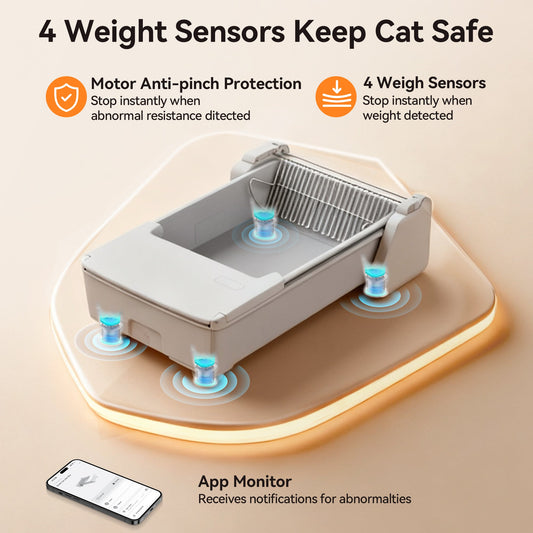
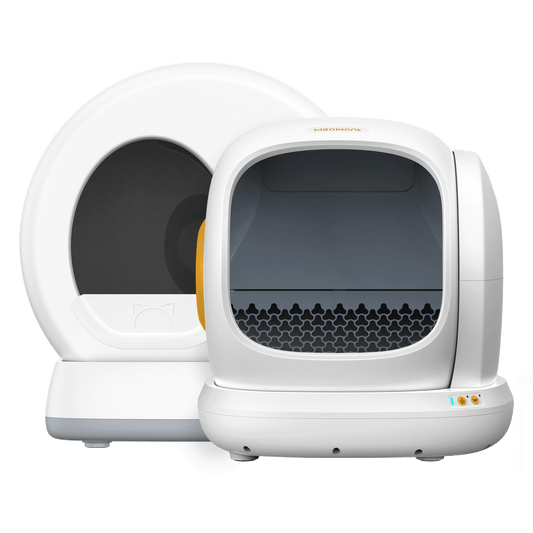
Open-top designs give cats a clearer view of their surroundings and allow them to enter and leave without moving into an enclosed chamber. The new MW-SC10 combines an open top with a larger waste drawer, making it a useful direction for cats that resist enclosed boxes and households that want longer intervals between routine emptying.
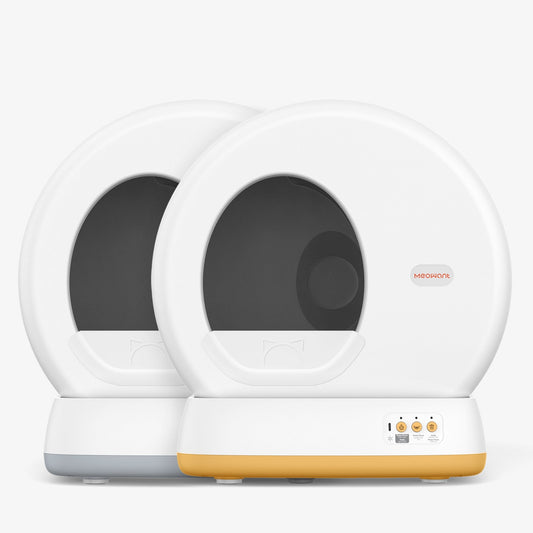
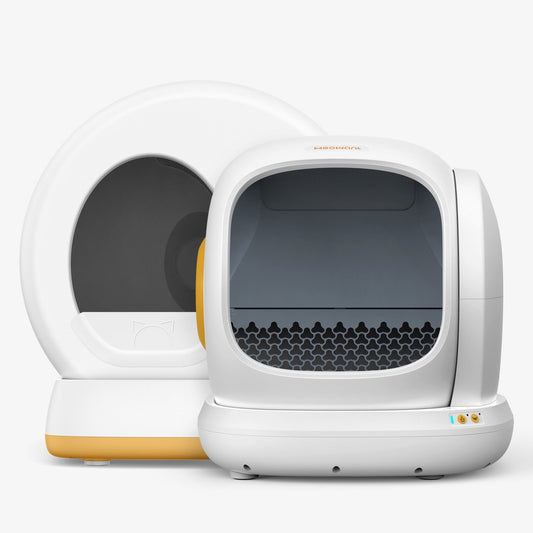
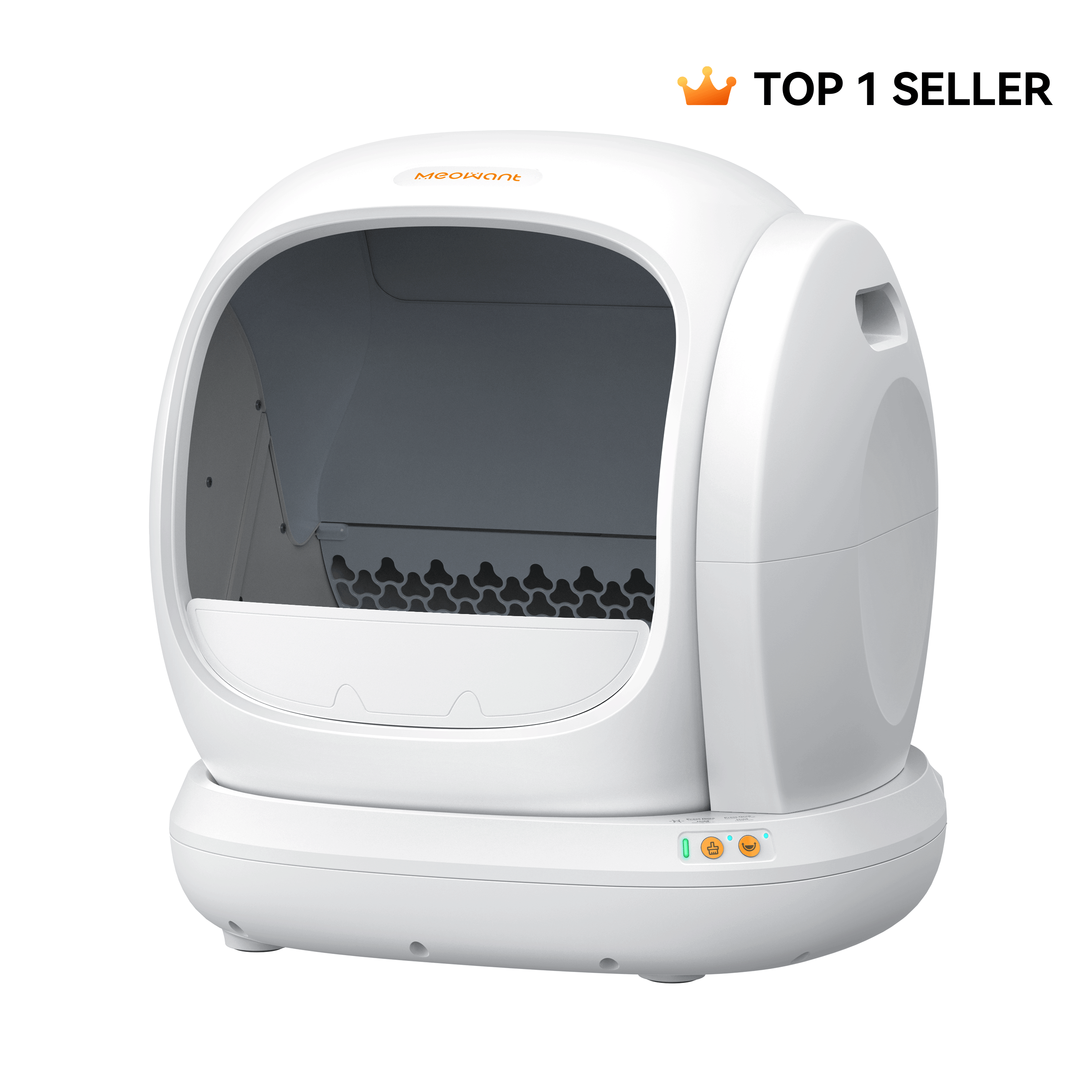
For larger cats or frequently used multi-cat setups, interior room may matter more than a compact exterior. The MW-SC09 provides a 106L toilet area for cats that need more room to turn and dig. In a smaller home, however, that extra capacity may be less important than an easy-to-place body and accessible entrance. The lower entry and more compact form of the SC01 can better suit limited spaces, short-legged cats, and older cats.
Cleaning Systems and Cat Preferences
Open-top litter boxes do not all clean in the same way. SC10 focuses on open access and a larger waste drawer, while the MW-SC03 uses a rake-based system instead of a rotating drum. The rake design offers another path for cats and owners who prefer a non-drum cleaning structure.
Neither cleaning method is automatically right for every household. Litter compatibility, clumping performance, the cat’s response to moving parts, and the owner’s cleaning habits all affect the experience. A useful comparison starts with what the cat will use consistently, then considers how the mechanism fits the household’s maintenance routine.
Odor Control and Maintenance
Automatic cleaning can reduce the time waste remains in the litter bed, while a covered waste drawer and deodorizing components can help limit odor spread. No litter box can eliminate odor indefinitely without regular emptying, litter replacement, and washing. Litter type, the number of cats, and cleaning frequency still shape the result.
If the litter box will sit near a bedroom or main living area, operating sound may also affect daily comfort. The MW-SC02 pairs a spacious interior with operation at no more than 38dB, making it a balanced direction for households that value quieter cleaning. When the unit sits in a separate utility area, noise may be less important than space or maintenance frequency.
Safety Beyond Sensor Counts
Meowant automatic litter boxes use weight sensing, infrared detection, or other safety mechanisms to detect when a cat is near the unit and pause cleaning when needed. Sensor count can be useful information, but it should not be the only measure of safety. The cleaning structure, accessible entry, and the cat’s response to sound and movement also shape how secure the experience feels.
During the transition, cats should have time to investigate the new box before relying on automatic cycles. Keeping the previous litter box available temporarily and observing whether the cat enters comfortably can be as important as the technology built into the unit.
When App Tracking Is Useful
App features can help owners review usage frequency, weight changes, and device status. This is more useful for multi-cat households and owners who want to observe changes in litter-box habits over time. The data may highlight a change worth noticing, but it does not replace veterinary evaluation or provide a diagnosis.
For someone who mainly wants less scooping, remote controls and ongoing data may not need to lead the decision. Whether the cat will use the box, whether it fits the intended space, and whether the maintenance interval suits the household will usually have a more direct effect on long-term satisfaction.
Match the Meowant SC Series to Your Needs
Households prioritizing open access and less frequent waste-drawer emptying can start with SC10. Larger cats and high-use multi-cat homes may benefit more from the extra interior room of SC09. SC02 offers a balanced path when quieter operation and everyday comfort matter, while SC01 better serves compact spaces and cats that need a lower entry. For an open-top design with a rake-based, non-drum cleaning system, SC03 provides a distinct alternative.
These models are not intended to solve every need with the same specifications. They offer different combinations of space, entry design, cleaning structure, and smart features. Choosing by the cat’s comfort and the household’s routine creates a more useful comparison than choosing by the highest number alone.
Find a Litter Box That Fits Daily Life
The right automatic cat litter box should reduce routine work without making the cat feel restricted or forcing the household into an inconvenient maintenance schedule. Meowant’s SC Series provides different paths for single-cat homes, multi-cat households, larger cats, limited spaces, and cats that prefer an open view.
Start with the cat’s size, mobility, and comfort with open or enclosed spaces. Then consider placement, odor management, waste capacity, and whether app tracking is useful for the way the household cares for its cats. That order makes it easier to find a self-cleaning litter box that remains practical after the first few weeks of use.
FAQs
Is a Self-Cleaning Cat Litter Box Worth It?
A self-cleaning cat litter box can be worth it for many reasons:
Convenience: Reduces the need for daily scooping.
Odor Control: Sealed waste drawers and carbon filters minimize odors.
Health Monitoring: Smart features allow you to track your cat’s habits via an app.
Hygiene: Keeps litter cleaner for longer.
Litter Savings: More efficient use of litter, saving money.
Multi-Cat Friendly: Suitable for households with multiple cats.
While the initial cost is higher, the benefits of convenience and cleanliness often make it a worthwhile investment.
What Makes the Meowant Automatic Litter Box Stand Out?
Customers love the Meowant Automatic Litter Box for several reasons:
Affordable Yet Effective: It's priced competitively compared to high-end brands like the Litter Robot, offering great value.
User-Friendly: Easy setup and operation with a simple app for scheduling cleanings and monitoring cat habits.
Space-Saving: Compact design with a lower entry, perfect for homes with elderly cats or limited space.
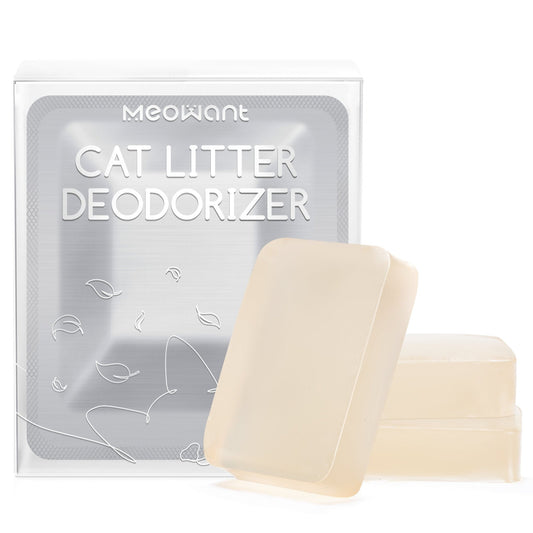
Odor Control: Effective odor management with a sealed waste drawer, carbon filters, and included deodorizing accessories.
Comfort and Safety: Accommodates cats of all sizes comfortably, with safety features to prevent accidents and easy maintenance.
Responsive Customer Service: Quick and helpful support enhances the overall customer experience.
Self-Cleaning Cat Litter Boxes vs. Traditional Litter Boxes
Traditional litter boxes require frequent scooping, which can be challenging for cat owners with back pain, arthritis, or busy schedules. Meowant's self-cleaning technology eliminates the need for scooping—you only empty the waste drawer when full. This convenience reduces odor and mess, making it easier to keep a clean environment, even with multiple cats.
How to clean the litter box?
For traditional litter boxes, you need to use a shovel to remove feces every day. Self-cleaning litter boxes will automatically clean up the garbage. You only need to throw away the full garbage bag, but they also need regular inspection and maintenance. Keep changing the cat litter thoroughly every 2-4 weeks to keep it fresh and odor-free. When changing the cat litter, please clean the cat litter box with mild detergent and water.
How many cat litter boxes should a family have?
It is generally recommended to prepare one cat litter box for each cat, plus a spare. If you have two cats, it is best to prepare three cat litter boxes, and so on, to ensure that cats will not compete for the cat litter box. Cats prefer to use a clean cat litter box every time they go to the toilet. Self-cleaning cat litter boxes can be used by multiple cats and maintain a clean environment before each use.
Why do cats refuse to use the cat litter box?
There are many reasons why cats may refuse to use the litter box, including cleanliness (if the box is too dirty), location (if the box is in a noisy or high-traffic area), discomfort (if the litter has no odor or the box is too small), or underlying health issues. Always consult your veterinarian if your cat's litter box habits change suddenly.
Are self-cleaning litter boxes safe for cats?
Yes, most self-cleaning litter boxes are designed with safety in mind. meowant's smart litter box has sensors that stop the cleaning mechanism if a cat gets too close during the cleaning process.
Can I use regular cat litter in a self-cleaning litter box?
Yes, most automatic litter boxes can use regular clumping litter. Some can accommodate any type of clumping litter, while others require a specific type of litter to work properly. Always check the manufacturer's recommendations to ensure compatibility and optimal function of the self-cleaning mechanism.
How do I get the price shown in the picture?
You need to copy the discount code on the page and apply it when checking out.
How long is the power cord?
For SC01 and SC02, the length of power cord is 1.8 meters.
What’s the difference between SC01 and SC02?
Both SC01 and SC02 feature smart monitoring, quiet operation, and multi-sensor safety protection.
SC01 has a compact 56.7L design with a 4.8-inch low entrance, suitable for most cats and easy access.
SC02 offers a more spacious 75L capacity with an open-top design and a 6.8-inch ultra-low entrance, making it especially comfortable for larger cats or multi-cat households.
How often do I need to change the litter and clean the litter box?
We recommend changing the cat litter every 1–2 weeks, cleaning the interior every 1–2 months, and replacing the litter liner every 2–3 days to help prevent bacterial growth.
(Adjust based on your cat’s toilet habits as needed.)
Will one litter box work for multiple cats?
It depends on your cats’ size and how frequently they use the litter box. Generally, one unit can accommodate multiple cats with moderate usage. You can also add up to 6 cats to the app for individual tracking and monitoring.
How do I change the automatic cleaning time?
You can set the automatic cleaning schedule through the app.
What accessories are included in the basic option?
The basic package includes the automatic litter box, 20 litter liners, a cat litter mat, an adapter, an Odor Eliminator Gel, and a user manual.
Can I use it without WiFi?
Yes. Without WiFi, you can operate the litter box manually using the control buttons on the base. However, to access app control and health monitoring features, a WiFi connection and app setup are required.